
Enterprise platform
Prefabrication Operations Portal
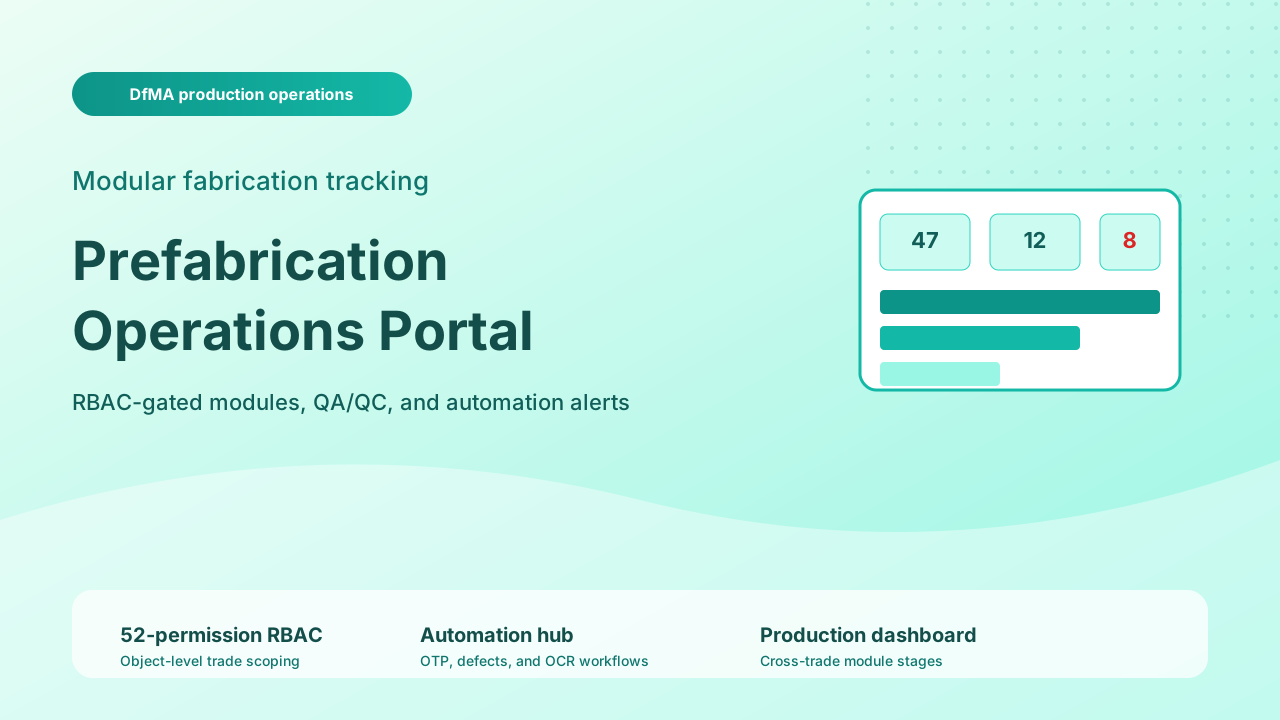
A full-stack DfMA management portal covering modular production tracking, QA/QC checklists, defect workflows, drawing catalogues, inventory and procurement — with strict role-based visibility, object-level scoping, and an automation orchestration hub for notifications, OCR, and cloud document workflows.
Prefabrication operations spanned multiple trades and modules, but teams tracked progress in disjointed spreadsheets. Cross-module dependencies were invisible, everyone shared the same data visibility, and critical workflows — user onboarding, defect alerts, stage notifications, drawing OCR — were entirely manual.
Procurement data lived in an external portal; drawings needed cloud storage integration; QA/QC required templated checklists with sign-offs. The organisation needed one governed platform with compartmentalized access, not another silo.
The portal is a React SPA backed by a Django REST API with ~50 resource endpoints, a relational application datastore, and optional background job workers for scheduled notifications and procurement cache refresh.
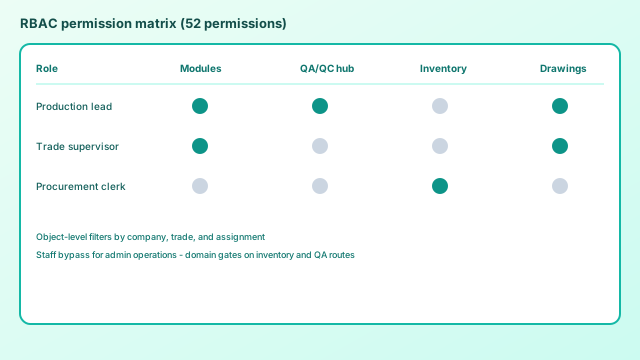
- Authorization: JWT authentication plus a 52-permission RBAC matrix with domain gates (QA/QC hub, inventory, drawings, modules) and object-level queryset scoping by company, trade, and assignment.
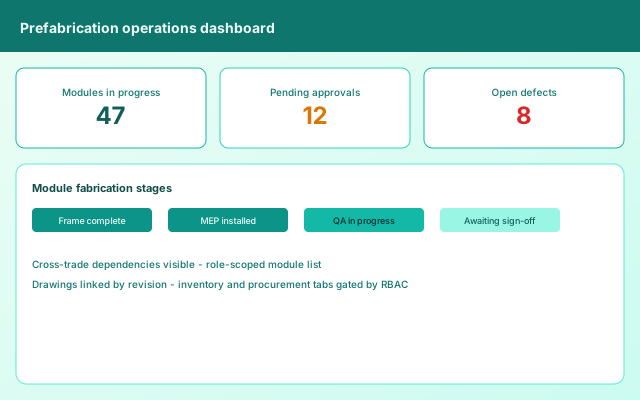
- Production: Modules progress through fabrication stages with approvals, photos, and documents; dashboards aggregate cross-trade status via strict pointer references.
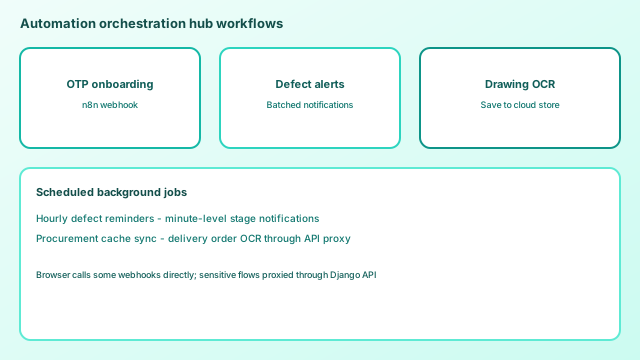
- Automation orchestration hub: n8n webhooks dispatch OTP onboarding, defect alerts, stage notifications, delivery-order OCR, and cloud drawing save/delete workflows — some invoked from the browser, others proxied through the API.
- Procurement: External purchase orders and delivery orders sync through backend integration contracts scoped by project settings.
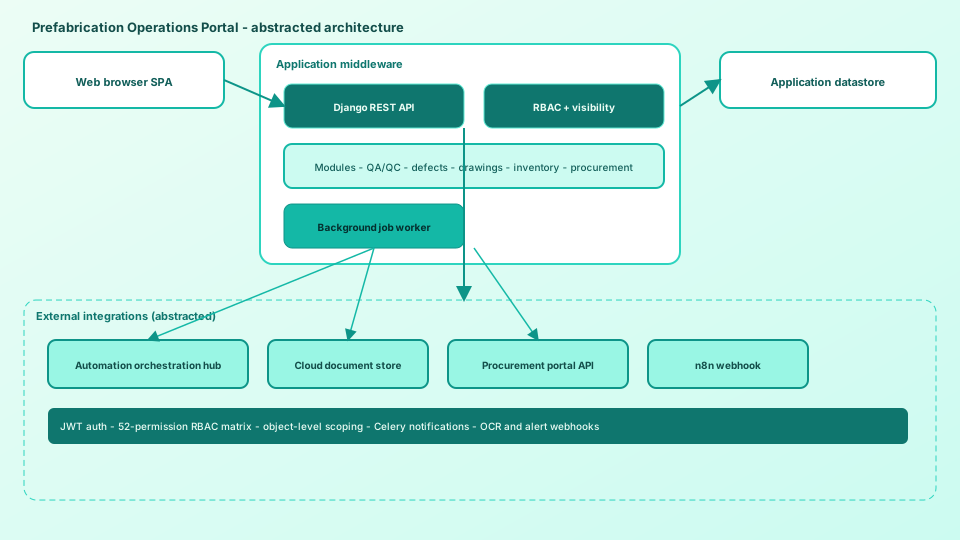
Click diagram to zoom
The system replaced static spreadsheets with a dynamic, role-gated application. Cross-trade dependencies appear on the dashboard; data access is compartmentalized by role; automated alerting ensures stakeholders receive defect and stage updates without manual distribution lists.
Drawings are catalogued with revision history and cloud file references. Inventory, stock movements, and procurement workflows share the same RBAC foundation — delivering one operational source of truth for modular construction programmes.
Simulate production operations using hardcoded portfolio data. Defect and stage notifications are modeled as n8n webhook dispatches — no production orchestration endpoint is contacted.
Raw middleware response
Case study describes architecture patterns; production deployments connect to governed enterprise services and automation endpoints.